
As a person-centred counsellor, I’m always interested in the beliefs and stories people carry about themselves, other people and the world around them.
These beliefs can shape how we see ourselves and influence the choices we make, sometimes without us even realising it. In counselling, rather than telling someone what they should think or believe, I offer a safe, non-judgemental space where we can gently explore where these beliefs have come from and what they mean to the person holding them.
They may have developed through painful life experiences, relationships, family expectations, cultural messages, or words that someone has heard repeatedly throughout their life.
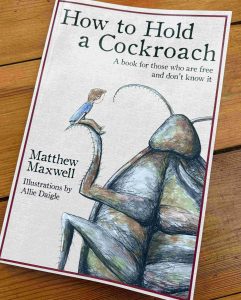 My wife recently bought me a book called How to Hold a Cockroach, with the subtitle: A book for those who are free and don’t know it!
It got me thinking about the beliefs we carry – particularly the ones that make us uncomfortable. You could think of these as our very own “cockroaches”:
- “I’m not good enough.”
- “I have to be strong.”
- “I should keep my feelings to myself.”
- “Don’t talk about your problems.”
- “I need to make others proud.”
- “I mustn’t get angry.”
- “I have to be successful.”
- “Money will make me happy.”
There are many others.
Over time, these beliefs can become so familiar that we stop recognising them as beliefs. They can begin to feel like facts – simply “the way things are”. We may develop stories about who we are, what we are capable of, what other people think of us, or what we believe we deserve.
And when we live within these stories, they can have a powerful emotional impact. We might experience anxiety, shame, fear, sadness, anger, regret or despair. We can begin to feel trapped by our own interpretations of ourselves and our experiences, making it difficult to move towards the things we genuinely want or need.
Person-centred counselling offers an opportunity to pause and become curious about these stories.
Rather than challenging or replacing your beliefs with someone else’s version of the truth, therapy with me is about creating a relationship where you can explore your own experience at your own pace. With empathy, acceptance and without judgement, you can begin to hear your own thoughts and feelings more clearly.
Sometimes, simply being able to say something out loud for the first time can change how we see it.
We might begin to ask:
- Where did I learn this about myself?
- Does this belief still fit with who I am today?
- What emotions arise when I believe this?
- Is there another way of understanding my experience?
- What might I choose if I didn’t have to live by this story?
This isn’t about pretending the past didn’t happen or simply choosing to “think positively”. Our experiences matter, and the beliefs we develop often make sense when we consider what we have been through.
But we can become more aware of the beliefs we hold and how they affect us. We can begin to distinguish between what we have been told about ourselves and what we genuinely feel and believe.
For me, this is one of the possibilities of person-centred counselling: creating the space for you to reconnect with your own experience and discover what feels true and meaningful for you now.
Perhaps freedom doesn’t always mean getting rid of our “cockroaches”. Perhaps it can mean being able to look at them with curiosity rather than fear, understanding where they came from, and deciding how much power we want to give them.
Counselling cannot change the past, but it can provide a space to explore how the past is influencing your present – and what you might want for your future.
You don’t have to have all the answers before you begin. Together, we can explore the stories and beliefs that may be holding you back, with compassion and without judgement.
And perhaps, along the way, you can discover a little more freedom to become the person you want to be – and to live a life that feels more genuinely your own.